
Unsere Speaker in Zürich 2026
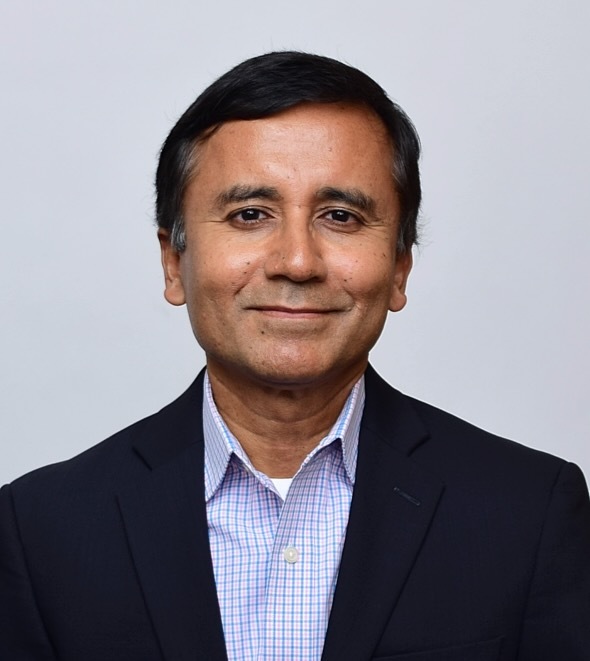
Keynote: Oracle Database: Trusted AI, Data, Exadata, Cloud – Latest Innovations
Join this keynote to hear the latest innovations in Oracle Database in the areas of Trusted AI, OLTP and Analytics. This keynote also explores how Oracle Database is redefining the modern resilient data platform with unique advancements in Exadata, Exascale, Recovery Appliance and Database Cloud Services across cloud, hybrid cloud and multicloud deployments.
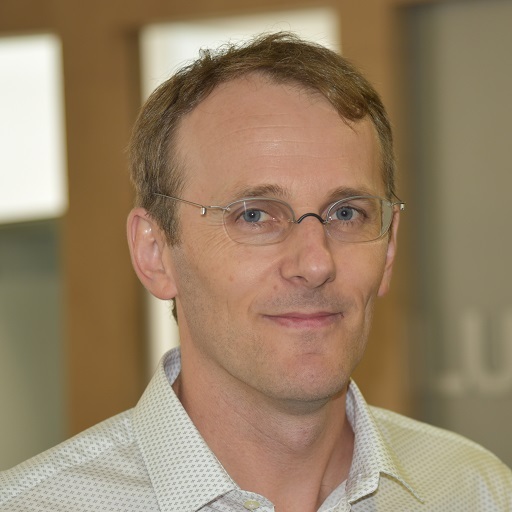
What’s new in the third edition of Troubleshooting Oracle Performance?
The second edition of Troubleshooting Oracle Performance was published in 2014. Despite the fact that Oracle has introduced a number of major releases since then, the approach to solving database application performance problems has not changed. Nevertheless, it is of paramount importance to understand and utilize all the features offered by a specific version.
This session aims to summarize the most significant amendments to be included in the third edition of Troubleshooting Oracle Performance. It covers three types of topics: topics that were not documented, topics that were not documented precisely, and topics that were introduced by Oracle since 2014.

Oracle Audit Evidence Pipeline: Feature Usage, Infrastruktur und Historie technisch belastbar korrelieren
Oracle-Audits scheitern selten an einer einzelnen Information, sondern daran, dass Daten aus Datenbank, Infrastruktur und Betrieb nicht sauber zusammengeführt werden. Datenbank-Views, Feature Usage und Oracle-Scans liefern wichtige Hinweise, zeigen aber nur einen Teil der technischen Wahrheit.
Der Vortrag zeigt, wie Unternehmen eine technische Evidenzkette für Oracle-Nutzung aufbauen können: von Datenbankversionen, Optionen und Feature Usage über Management-Pack-Indikatoren bis hin zu Host-, Cluster-, Virtualisierungs- und Historieninformationen. Im Fokus steht nicht die rechtliche Bewertung von Lizenzverträgen, sondern die technische Frage: Welche Daten sind belastbar, welche müssen validiert werden, und wo entstehen typische Fehlinterpretationen?
Anhand eines neutralen Datenmodells wird gezeigt, wie DBAs, Infrastrukturteams und IT Asset Management gemeinsam nachvollziehbare Reports erzeugen können. Die reproduzierbar, historisiert und auditfähig sind. Der Vortrag grenzt klassische Oracle-Scans bewusst von kontinuierlicher technischer Evidenz ab und zeigt, warum Datenbankdaten allein insbesondere in virtualisierten Umgebungen nicht ausreichen.
(Sponsored Session)

Building the Multicloud Data Fabric for Agentic AI with Oracle DB
AI is useless without your Systems of Record and Operational Datastores.
As organizations move from simple chatbots to autonomous AI agents, the „data distance“ and lack of context between your transactional core and your AI models become critical bottlenecks. This session explores how to architect a low-latency, distributed data fabric that powers the next generation of agentic applications using Oracle Database@Google Cloud.
Your LLM might know how to write a poem about a database, but does it know why your production Oracle DB instance just spiked to 99% CPU? Does it know the real-time inventory levels stored in your core Enterprise System of records ERP, EPM, HCM and Industry Solutions?
Until now, connecting these worlds meant brittle APIs, complex ETL pipelines, or context-heavy manual context switching. Enter the Google Gemini CLI combined with the Google Model Context Protocol (MCP) Toolbox for Databases.
With the launch of OracleDB Gemini CLI Extension! exploring a game-changer for the enterprise: The Oracle Database Extension for Gemini CLI. This isn’t just about writing SQL faster; it is about
We will demonstrate how to move beyond simple vector similarity by implementing Graph RAG (Retrieval-Augmented Generation). Learn how to leverage Oracle’s native SQL Property Graphs to capture complex relationships within your operational data—linking customers, transactions, and products—and feed this structural context directly to Gemini models on Vertex AI. By combining the Model Context Protocol (MCP) for secure access with the deep context of Graph RAG, you will see how to build agents that don’t just „search“ data, but truly „reason“ about business entities.

Projektmanagement für MinimalistInnen
Das agile Manifest setzt die Prioritäten so, dass Projektziele erreicht werden. SCRUM ist eine Methode, die auf dem agilen Manifest aufbaut und zeigt, wie dieses umgesetzt werden kann.
Ziel des Projektmanagements sollte es sein, Unterstützung zu bieten, damit effizient und zielgerichtet optimaler Nutzen geschaffen werden kann. Das bedeutet, dass nur so viel Zeit für das Projektmanagement gebraucht werden soll, wie nötig und so wenig wie möglich. Ein minimalistisches Projektmanagement ermöglicht es, dass alle optimal arbeiten können.
In unzähligen Projekten in der Praxis konnte ich interessante Erfahrungen zu Projektmanagement sammeln. Seit mehr als 10 Jahren begleite ich an der fhnw als Fachcoach Projektmanagement diverse Projektteams in Informatik und in Data Science.
Dabei kann ich immer wieder beobachten, wie Projekte erfolgreich durchgeführt werden oder manchmal auch Ziele verfehlen oder gar scheitern. In meinem Input zeige ich die Resultate meiner Analysen verschiedenster Projekte und deren Projektmanagement. Daraus leite ich her, welchen Methoden und Möglichkeiten aus SCRUM für ein pragmatisches Projektmanagement geeignet sind und wie diese minimalistisch eingesetzt werden können, um mit möglichst wenig Administration einen möglichst grossen Effekt zu erzielen.
Die Zuhörenden nehmen Anregungen und Ideen mit und können sich über Erfahrungen austauschen.
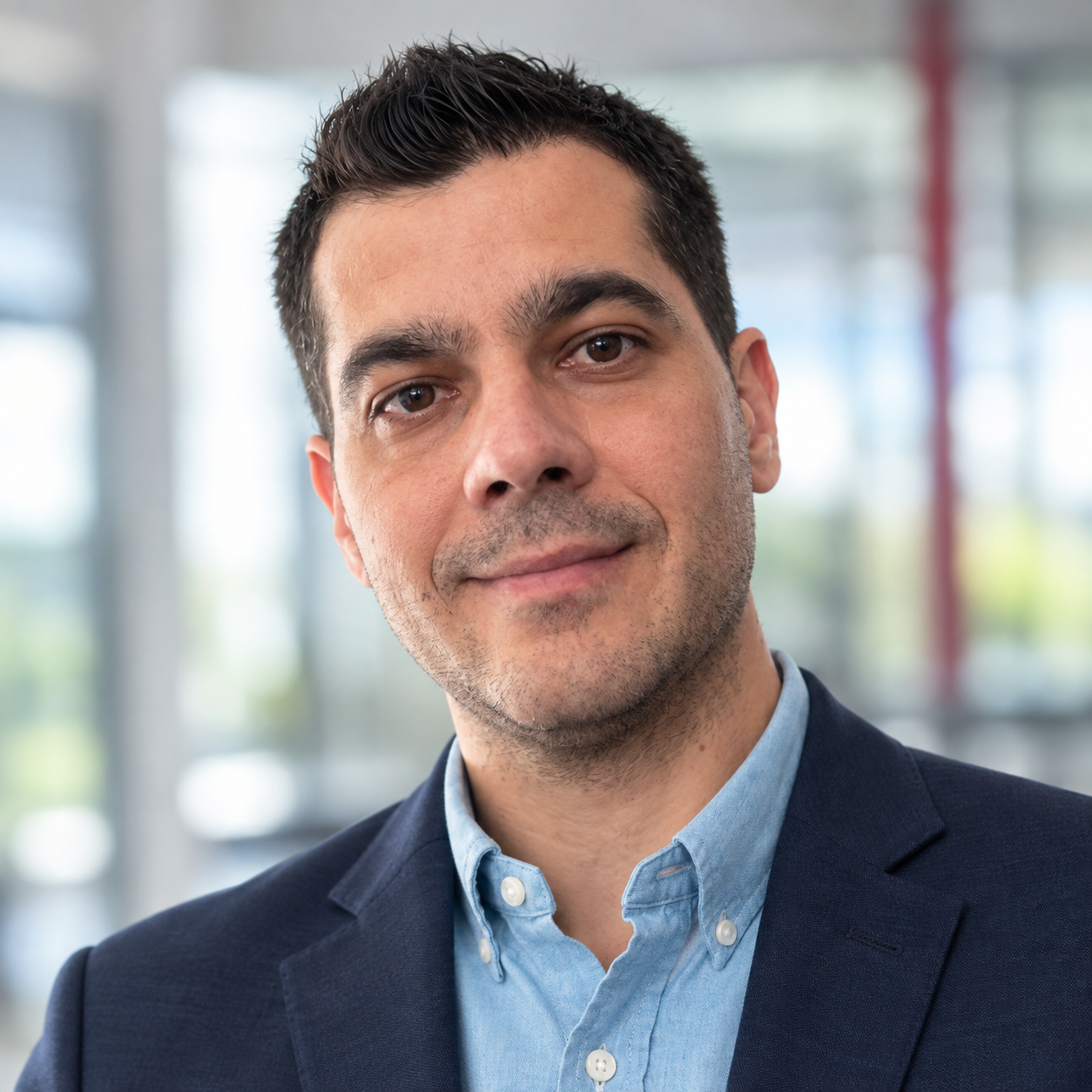
Laurentiu Contescu
Beyond the Service Request: A View from the Other Side of the Screen
When a critical Oracle Exadata system encounters an issue, most customers see only one thing: the Service Request. But what happens after an SR is submitted? Who owns the problem, how are priorities determined, and what does it take to keep mission-critical Sovereign Cloud environments running reliably?
In this session, Laurentiu, Director of European Sovereign Cloud Exadata and Database Support, offers a rare behind-the-scenes look at Oracle’s European Sovereign Cloud support organization. Rather than focusing on product features or cloud strategy, this session explores the people, processes, and operational practices behind the teams that respond when customers need help most.
Leading Oracle’s Sovereign Cloud Exadata and Database Support teams across Europe, Laurentiu manages the engineers responsible for investigating and resolving customer Service Requests for some of Oracle’s most critical cloud environments. He will explain what makes Sovereign Cloud support different, including the operational challenges of strict compliance requirements, data residency, restricted connectivity, high availability, and rigorous change management.
Attendees will follow the lifecycle of a Service Request—from the initial customer report through triage, diagnosis, collaboration with Operations and Engineering, resolution, and post-incident learning. The session will also demonstrate how Oracle continuously improves service reliability through proactive health checks, automation, recurring issue analysis, and preventive operational practices that reduce customer impact before incidents occur.
This is an opportunity to see Oracle Support from the other side of the screen. Whether you are a DBA, architect, cloud administrator, or IT manager, you’ll gain practical insight into how Oracle’s support organization works, how issues are escalated and resolved, and what customers can do to build more productive relationships with Support and achieve faster, more effective outcomes.
Key takeaways:
– Understand how Oracle’s European Sovereign Cloud Exadata Support organization operates.
– Learn what happens behind the scenes after a Service Request is created.
– Discover how automation and proactive operations help prevent incidents before they affect customers.
– Gain practical advice for working more effectively with Oracle Support.
– Explore the future direction of intelligent, preventive cloud operations.

Oracle Autonomous AI Lakehouse Mastering analytics for heterogeneous enterprise environments
This session explores how Oracle Autonomous AI Lakehouse combines the openness of modern data lake architectures with the enterprise-grade capabilities of Oracle Database. Leveraging open standards such as Apache Iceberg, organizations can enable multi-platform analytics, support structured and unstructured data, and access information across heterogeneous environments without costly data movement or duplication.
The presentation introduces key lakehouse concepts, Iceberg table architecture, metadata catalogs, and Oracle’s federated “catalog of catalogs” approach for unified data discovery and governance. Attendees will learn how Oracle extends open lakehouse technologies with autonomous operations, advanced SQL analytics, vector search, AI capabilities, security, and multicloud interoperability.
Through practical demonstrations, the session showcases how organizations can integrate Iceberg tables across Oracle, Snowflake, and cloud object storage, enabling unified analytics and AI workloads across platforms. Participants will gain insights into designing scalable, open, and future-ready data architectures that maximize the value of enterprise data while supporting next-generation AI and analytics initiatives.

GoldenGate 26ai: Al features and Upgrade Strategies from Legacy Deployments
GoldenGate enters a new era, Oracle says. With 26ai, GoldenGate welcomes new AI-oriented features. But is AI in GoldenGate just a buzz word ? At the same time, the recent end of support for older commonly used versions (19c, 21c) makes upgrading necessary and complex. This session reviews the main new features, highlights architectural evolutions compared to earlier versions, and presents a practical approach to upgrading existing deployments. It focuses on what changes for administrators and how to upgrade to 26ai with minimal disruption for production environments.
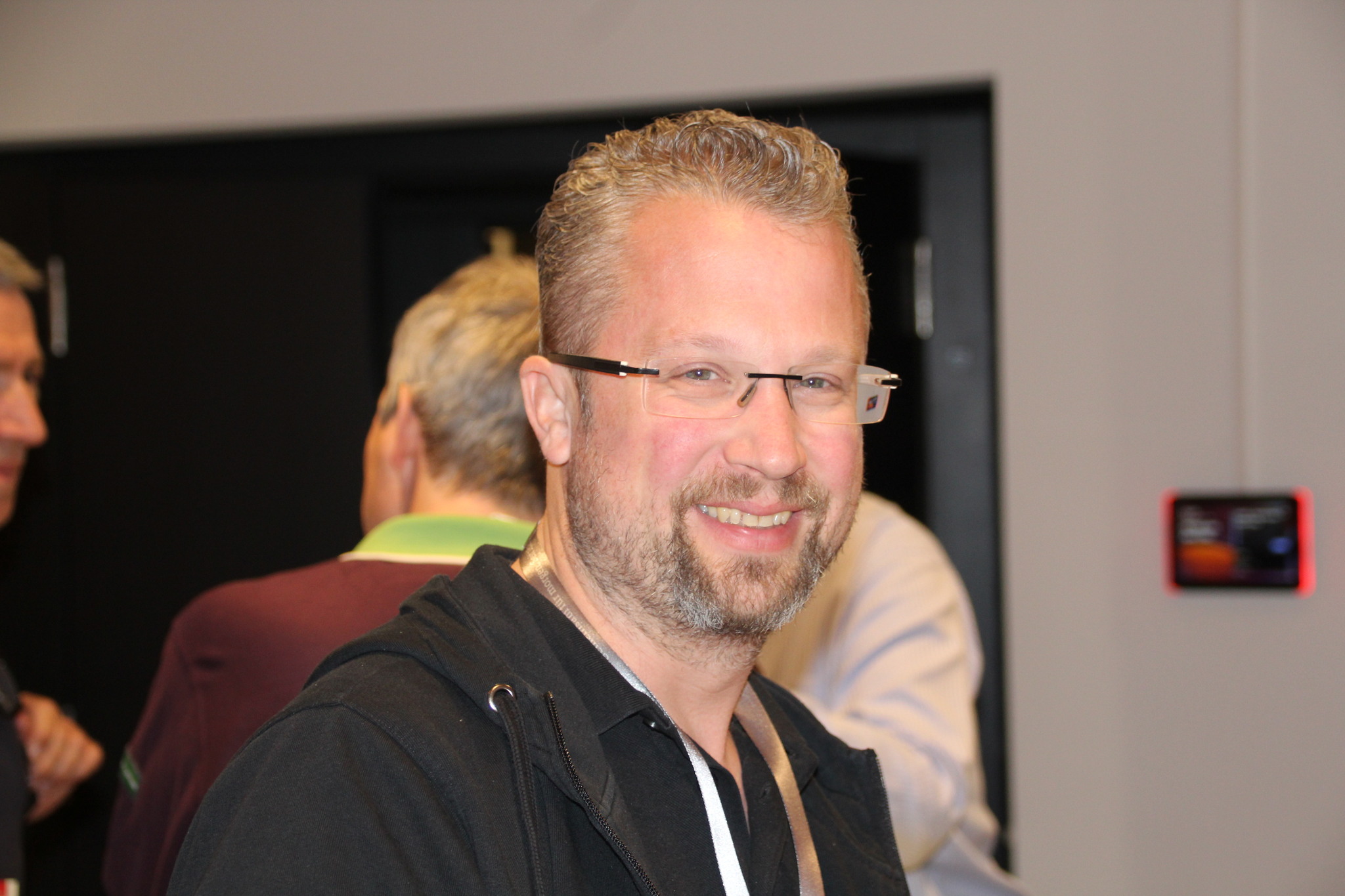
Migration nach APEX 26.1
Lange haben wir auf das Release gewartet und einige Kunden haben aufgrund der Supportverlängerungen für vorigen Releases explizit auf 26.1 gewartet. Durch die vollständige Überarbeitung von APEX, was dem Feature APEXlang geschuldet ist, stellt sich nun die Frage, ob es grundlegende Änderungen gibt? Gibt es Features die dafür sorgen, dass man technisch was umstellen muss? Wie verhält es sich zum Beispiel mit den Anpassungen bzgl. der Übersetzungsmechanik? Wie sieht es mit den deprecated und desupported Features aus?
Was ist mit einzelnen Bugs bzgl. des Universal Theme, welche in der Vorversion existierten und mit 26.1 behandelt werden sollten? Ist ein Wechsel in den neuen Theme Style Iris sinnvoll und problemlos machbar? Welche Funktionen bringt die neue Version im Bereich des Upgrade Assistenten mit und wie wurde der APEX Advisor angepasst?
Wie genau verhält es sich mit den Versionen der Datenbank und des ORDS? Geht ein ORDS vor der Version 26.1 und was bedeutet es diesen einzusetzen? Welche Libraries haben sich bzgl. JavaScript und Icons verändert? Gibt es Features wo eine Version der Oracle 26ai notwendig oder sinnvoll ist?
Mit diesem Vortrag bekommt jeder der in die APEX Version 26.1 migriert ein umfassendes Bild und kann besser beurteilen was einen erwartet.

Datenbank-Patching im Zeitalter von AI und Security Threats: Schneller, einfacher, besser
Oracle Datenbanken sicher und aktuell zu halten, war noch nie so wichtig wie heute. Während Oracle Database 19c weiterhin in vielen Umgebungen im Einsatz ist, bringt Oracle AI Database 26ai neue Möglichkeiten im Zeitalter der KI Gleichzeitig steigt der Druck auf DBAs, Patches schneller einzuspielen, Risiken zu reduzieren und den operativen Aufwand zu minimieren.
Diese Session zeigt, wie sich Oracle Database Patching von einer manuellen, zeitintensiven Aufgabe in einen vollständig unbeaufsichtigten und automatisierten Prozess verwandeln lässt. Schneller Zugriff auf Patches, automatisierter Download, der Aufbau neuer Oracle Homes, das Einspielen von Release Updates sowie das Umziehen von Datenbanken aus einem alten in ein neues, gepatchtes Oracle Home.
Der Fokus liegt auf der Praxis: Patching soll für DBAs einfacher, wiederholbarer und sicherer werden. Die Teilnehmer erfahren, wie Automatisierung Ausfallzeiten reduzieren, typische Fehler vermeiden, Umgebungen standardisieren und regelmäßiges Patching zu einer beherrschbaren Routine machen kann.
Im Zeitalter von KI-gestützten Workloads und sich ständig weiterentwickelnden Sicherheitsbedrohungen muss Database Patching schneller, intelligenter und sicherer werden. Diese Session zeigt, wie das gelingt.

Function Calls in SQL – Black Box for the Optimizer?
Functions in SQL are a useful and popular feature that is often used. However, little attention is often paid to performance aspects. A function call or an expression in a WHERE condition is a challenge for the query optimizer that often leads to unsuitable execution plans and bad response times. For PL/SQL functions called from SQL, the situation is even more complex. If used incorrectly, they can lead to massive performance degradation.
In this presentation, I will show different possibilities to support the optimizer in function calls to generate better execution plans. Furthermore, I will explain how PL/SQL functions can be used optimally in SQL queries and which performance killers must be avoided. Of course, all this will be demonstrated with live examples and stories from the field.
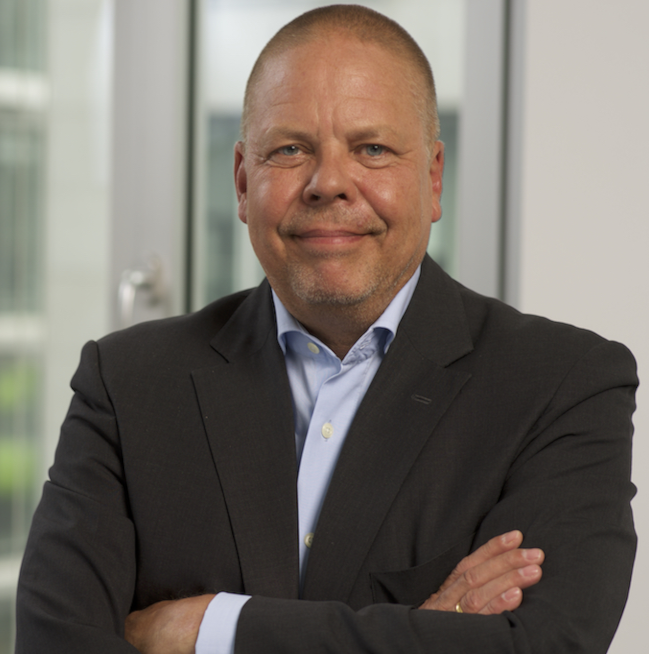
New Paradigm: One AI, Every CRM – Making Your System Conversational
Every CRM (and ERP) vendor promises a modern user experience. The reality is that your users still need to know which screen holds which field, which report to run, and how to translate a business question into system navigation. What if that taken care of by AI, and what if it worked on any system you already own?
This session introduces a production-grade AI interface stack built around the Model Context Protocol (MCP): a lightweight, open standard that exposes any system’s API surface as a set of AI-callable tools. Swap the MCP connector, and the same AI powered reasoning engine works against Oracle Siebel, Salesforce, a custom loyalty platform, or any CRM with a REST API. No retraining the model. No rebuilding the interface. Just a new connector.
We’ll walk through the architecture: a microservices backend that sits in front of your existing systems, an MCP layer that maps each system’s schema and operations into tool definitions the AI can discover and invoke at runtime, and a chat interface any business user can operate on day one. Authentication, session management, and data security stay in your control throughout.
The live demo runs against a recent Oracle Siebel, covering natural language queries, cross-field aggregations, and results rendered as charts, all triggered by plain English.
You’ll get an overview over:
– Why we have chosen MCP over skills and why it changes how AI integrates with enterprise systems
– A reference architecture you can apply to Siebel, Salesforce, loyalty platforms, or any REST-capable system
– An honest view of current limitations and the road ahead
Your existing systems don’t need to change. Your users‘ experience can.
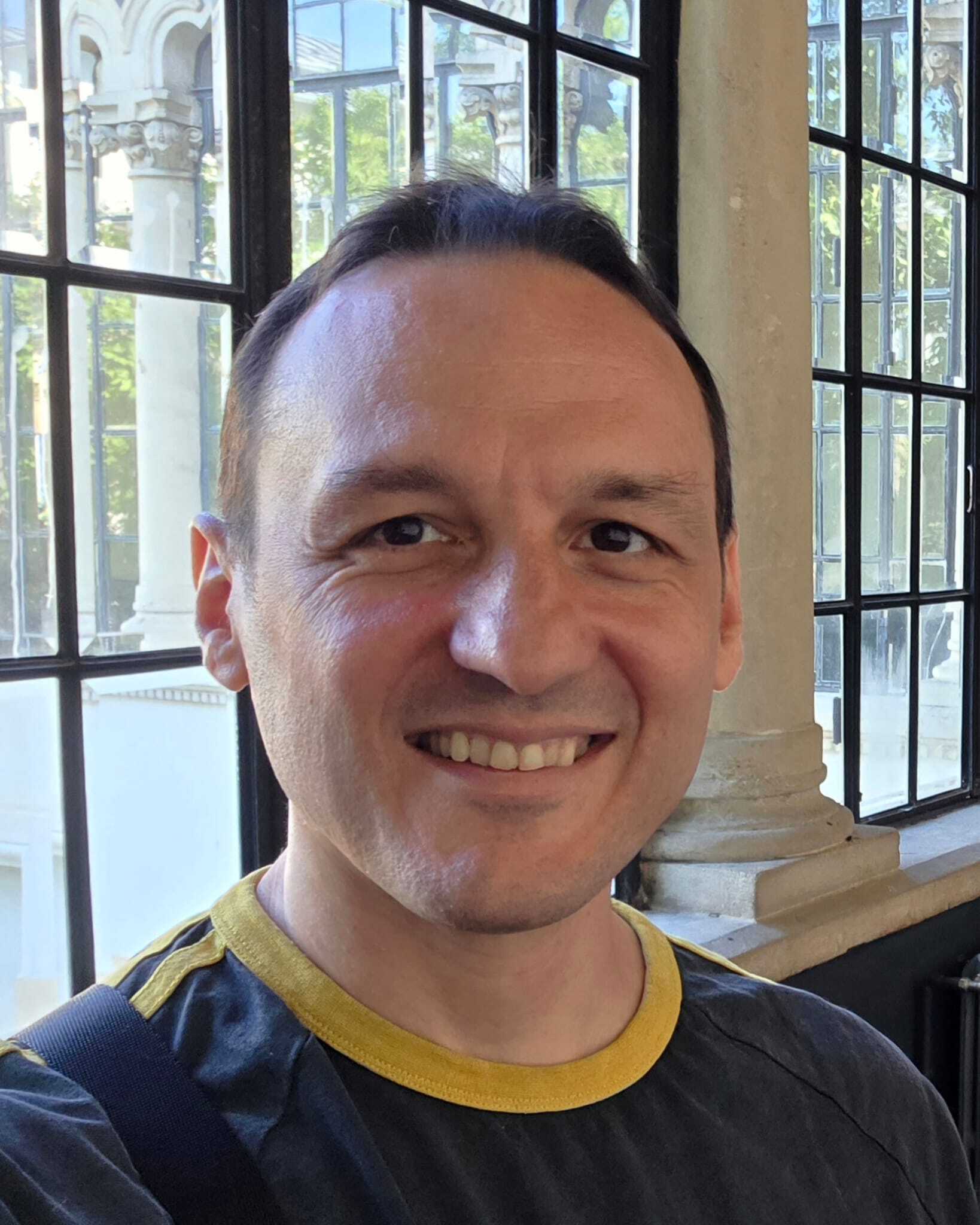
Autonomous Database in Practice: Pure Console, No Slides
This 90-minute workshop is all about Autonomous Database in practice. No slide deck—just the console, live demonstrations, and discussion based on hands-on experience from real-world projects.
We will deploy and explore Autonomous Database across different hyperscalers and discuss the practical decisions that come with it: When should you choose Serverless, and when does Dedicated make more sense? How do ECPUs work, and how should you size them? What are the licensing implications? How do sizing and autoscaling affect cost and performance?
Using the built-in monitoring capabilities, we will also show how to assess database performance, identify resource usage, and determine whether your Autonomous Database is sized appropriately.
The session closes with secure AI patterns for Autonomous Database. We will demonstrate how AI can be given governed access to enterprise data while keeping security, identity, compliance, and control within the database.
Short demos throughout the workshop will turn the concepts into practical examples. Participants are encouraged to bring their own laptops and follow along live in the console.
Prerequisites for following the hands-on exercises: an OCI account, a deployed Autonomous Database Serverless instance, and the required network connectivity.

Graph RAG mit der Oracle Datenbank: Vektoren und Graphen für besseres RAG
Retrieval-Augmented Generation (RAG) hat sich als eine der effektivsten Architekturen etabliert, um Anfragen an große Sprachmodelle mit Unternehmensdaten anzureichern. Traditionelle RAG-Implementierungen basieren dabei häufig ausschließlich auf der Vektor-Ähnlichkeitssuche unter Verwendung von Distanz-Metriken. Diese liefert semantisch verwandte, aber nicht unbedingt kontextuell verknüpfte Ergebnisse. Was wäre, wenn wir RAG quasi um die Nutzung von Beziehungen erweitern könnten? Die Oracle Datenbank ermöglicht dies durch die Verfügbarkeit von Oracle Graph SQL, Property Graph-Funktionen und Vektorsuche in einer einzigen zentralen Datenbank.
In dieser Session lernen Sie, wie Sie Vektor Encoding und Graph-Beziehungen nativ in Oracle speichern, verwalten und abfragen können und wie Sie graphbasierte Erkenntnisse mithilfe der von Vektor-Encoding und -Suche in RAG-Pipelines integrieren. Dies verbessert die Genauigkeit und Nachvollziehbarkeit von LLM-Antworten. Dank der einheitlichen Architektur von Oracle bleiben die Daten sicher und im System, sodass kein Wechsel zu einer separaten Vektor- oder Graph-Engine erforderlich ist.

Upgrade. Patch. Repeat. – Stay Secure and Up to Date with Oracle AutoUpgrade and Ansible
Database upgrades are often time-consuming, error-prone, and difficult to reproduce. This is exactly where Oracle AutoUpgrade comes in: the tool automates the entire upgrade process, from analysis and fixups to post-upgrade tasks, and enables multiple databases to be upgraded using a consistent and standardized approach.
In this session, I will demonstrate how Oracle AutoUpgrade and Ansible can be combined into an end-to-end automation process. Ansible prepares the systems and Oracle Homes, distributes configuration files, starts the workflows, and collects status and result information. AutoUpgrade then takes care of the actual database upgrade.
The focus is not limited to a one-time upgrade to Oracle AI Database 26ai. The key objective is to establish a repeatable process that keeps databases on supported versions and current patch levels over the long term. Automation reduces manual errors, improves traceability, and provides a solid foundation for security and compliance requirements.
Through practical live demonstrations, I will show typical workflows, common failure scenarios, and options for centralized monitoring and reporting.

Christoph Lutz
LGWR Beyond The Docs – What Oracle Didn’t Write To Disk (Part3: Exadata Pipelined Log Writes)
The database log writer (LGWR) has evolved into a highly adaptive, parallelized, and dynamic component, yet Oracle has never officially explained how it really works. Time for a closer look!
This session is a technical deep dive into the Adaptive Scalable LGWR feature. You’ll learn when and why Oracle dynamically spawns auxiliary LG worker processes to keep up with today’s high-volume transactional workloads and we’ll explore Oracle’s newest LGWR overhaul available only on Exadata: Pipelined Log Writes.
If you’ve ever observed strange redo wait events, unexplained LGWR behavior, or just want to understand what Oracle left out of the manuals, this talk is for you!

4 Jahre Oracle 19c (Exadata sparse) Pluggable-Database-Klonen – hat es sich gelohnt ?
Im Rahmen eines Projekts zum Aufbau einer Exadata-Cloud-At-Customer-Infrastruktur mussten wir für einen Kunden aus der Versicherungs- und Banking-Branche eine Storage-Snapshot-Lösung durch PDB-Kloning ablösen. Nun stellt sich die Frage, ob sich das tatsächlich gelohnt hat und wie es mit Oracle 26ai weitergehen soll. Der Fokus des Vortrags liegt auf einem Erfahrungsbericht. Oracle 19c Datenbank-Kernel „Hindernisse” und Ausblick auf Oracle 26ai. Wir werden über Full Clones, Refreshable Clones (RAC oder Single Instanz) berichten und auch PDB-Clones von und nach Oracle (Active) Data Guard ansprechen. Je nach Zeitmanagement werden selbstverständlich Demos den Vortrag lebendig machen.

Bring Exadata in AWS – A real life experience
Migrating business-critical, regulated workloads to the cloud demands uncompromising standards for compliance, security, and operational continuity. Oracle Database@AWS — which runs Oracle Exadata infrastructure directly within AWS data centers — provides a unique foundation for seamless database transitions without sacrificing the performance and reliability these workloads require.
Based on real-life experience, this session presents how a regulated enterprise transformed its mission-critical infrastructure in under 12 months while achieving full industry certification. With Exadata physically co-located in AWS data centers, the migration preserved existing database investments while unlocking cloud-native integration, networking, and security controls.
Explore the end-to-end migration strategy including architectural patterns, security controls aligned to stringent industry standards, and governance frameworks designed for regulated environments. Walk away with actionable strategies for accelerating your own business-critical workload migrations to AWS — minimizing risk while maximizing time to value.

Fighting Bad PL/SQL & SQL mit eigenen Regeln und Quick-Fixes
In meinem vorherigen Vortrag „Fighting Bad PL/SQL & SQL with VS Code“ habe ich bereits gezeigt, wie dbLinter mit automatisierten Prüfungen und Quick-Fixes dabei hilft, Fehler zu erkennen und die Codequalität zu verbessern. Doch was tun, wenn die integrierten Regeln nicht ausreichen?
In diesem Vortrag gehe ich einen Schritt weiter und zeige, wie man benutzerdefinierte Regeln erstellt, um projektspezifische Standards durchzusetzen und Probleme zu erkennen, die von den integrierten Linter-Regeln nicht gefunden werden können. Du erfährst, wie PL/SQL- und SQL-Code geparst wird, wie benutzerdefinierte Validatoren funktionieren und wie du eigene Regeln und Quick-Fixes in den Linting-Prozess integrierst.
In einer Live-Demo zeige ich:
– wie man eigene Regeln anhand guter und schlechter Beispiele definiert
– wie man ein Validator-Gerüst generiert
– wie sich Parse Trees für SQL- und PL/SQL-Code visualisieren lassen
– wie man einen Validator inklusive Quick-Fix implementiert und testet
– wie eigene Regeln aktiviert und in VS Code sowie auf der Kommandozeile verwendet werden
Am Ende des Vortrags verstehst du, wie dbLinter hinter den Kulissen funktioniert. Du wirst in der Lage sein, typische Muster im eigenen Code zu identifizieren, bei denen projektspezifische Regeln helfen können, Probleme zu erkennen, bevor sie in Produktion gelangen.

„Cloud ist nicht On-Prem: Aha-Effekte aus DB-Kundenprojekten“
Dieser Vortrag zeigt anhand konkreter Projekte, wie schnell etablierte On Premises Denkweisen und Konfigurationen in der Cloud an ihre Grenzen stossen. Ob Datenbankparameter, oder Anzahl Sessions, Memory Konfigurationen oder der Umgang mit Disaster Recovery und High Availability vieles wird als unverändert angenommen, kann jedoch schnell zum Showstopper für Effizienz in der Cloud werden. Bereits vor der Planung sollte ein genauer Blick auf Average Active Sessions, den Memory Advisor sowie bestehende I/O-Statistiken geworfen werden. Auch Aufbau und Betrieb der Umgebung sowie Skalierung und Ressourcenmodelle unterscheiden sich grundlegend. Die Cloud bietet deutlich mehr Dynamik: Ressourcen werden nicht mehr einmal beschafft und über mehrere Jahre betrieben, sondern flexibel bereitgestellt und angepasst. Entscheidend für eine erfolgreiche Planung und die Berechnung eines Business Cases ist es, die richtigen Fragen zu stellen und bestehende Gewohnheiten zu hinterfragen. Ein weiterer Fokus liegt auf dem Thema Licensing: Die Cloud eröffnet neue Möglichkeiten, etwa durch die flexible Nutzung von Features, Skalierung ohne unmittelbare Lizenzbeschaffung oder integrierte Funktionen wie Verschlüsselung. Der Vortrag zeigt praxisnah, warum erfolgreiche Migrationen mit einem Umdenken beginnen, und nicht nur mit Technik.

APEX in 2026: Neues aus dem APEX Development-Labor
Der Vortrag stellt das neueste APEX-Release 26.1 vor und geht besonders auf die Marquee Features wie APEXlang, APEX AI-Funktionen, oder die neuen Möglichkeiten mit Interactive Reports ein. Darüber hinaus gibt es Tipps & Tricks, sowie einen kleinen Einblick in die Themen, mit denen sich das APEX-Entwicklerteam gerade beschäftigt.

TNS Connections – Was kann da schon schiefgehen?
Mehr, als man denkt. Firewalls, TCP-Timeouts, Idle Connections, SCAN- und Local Listener oder Versionsunterschiede zwischen Client, Datenbank und Konnektoren – all das kann TNS-Verbindungen beeinflussen und für unerwartete Fehler sorgen. In dieser Session werden anhand praxisnaher Beispiele die typischen Ursachen gezeigt, passende Analysewerkzeuge auf
Datenbank- und Betriebssystemseite vorgestellt und die Rolle von Verschlüsselung, Zeichensätzen und NLS-Settings erläutert.
Ergänzt durch ausgewählte Spezialthemen bietet der Vortrag eine Sammlung bewährter Troubleshooting-Tipps, Best Practices und Aha-Momente aus realen Projekten – damit TNS-Verbindungen kein Unsicherheitsfaktor mehr sind,
sondern verlässlich funktionieren.
